Our Vision: To be a model followed in education…
Our Mission: To contribute to the body of knowledge in the field of Educational Sciences, to produce solutions to problems, to maintain up-to-date practices by following innovations in education, and to educate the youth, teachers, and future academics of our country and the world through our academic activities based on ethical values, principles, and practice, by using the most appropriate scientific methodologies to equip today’s teachers with professional skills.
History of the Department and Its Divisions:
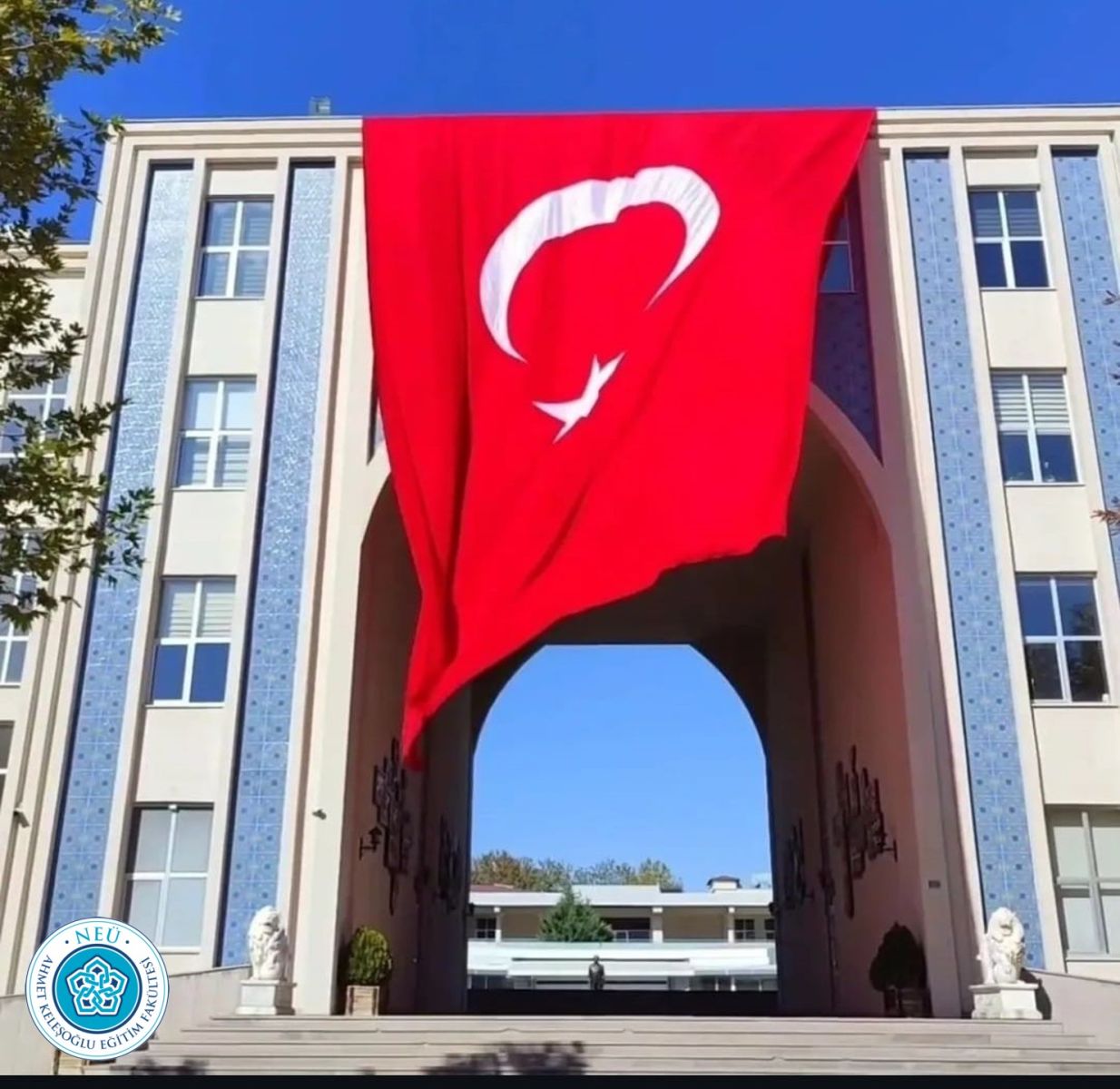
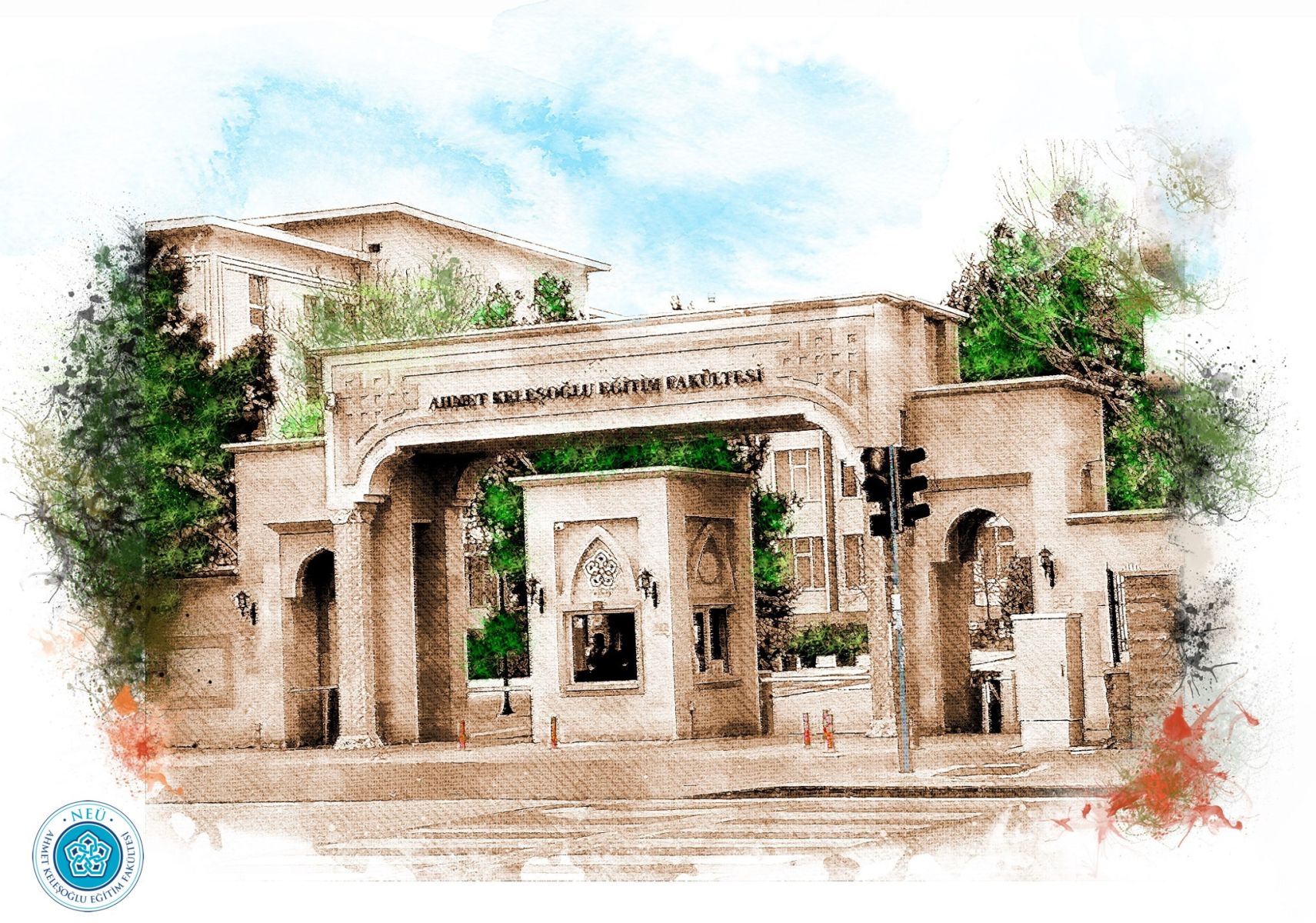
Ahmet Keleşoğlu Faculty of Education was established in the 1962–1963 academic year as Selçuk Education Institute under the Ministry of National Education of the Republic of Turkey. In the 1978–1979 academic year, it was transformed into Selçuk Higher Teacher Training School. In 1982, it was affiliated with Selçuk University and became one of the Faculties of Education. In 2008, it was renamed Ahmet Keleşoğlu Faculty of Education. With the decree dated 07/12/2011 and numbered 2011/2620, it was affiliated with Konya University. With the enactment of Article 20 of Law No. 6287, published in the Official Gazette dated 11.04.2012 and numbered 28261, the name of Konya University was changed to Necmettin Erbakan University.
The Department of Educational Sciences was established in the 1985–1986 academic year. In the year it was founded, it included the divisions of Psychological Services in Education, Curriculum and Instruction, and Educational Administration, Supervision, Planning, and Economics. In 1988, the undergraduate program of Psychological Services in Education was renamed “Guidance and Psychological Counseling” by YÖK/ÖSYM. In 2018, the divisions of Measurement and Evaluation in Education and Philosophical, Social, and Historical Foundations of Education were added.
The Division of Guidance and Psychological Counseling admitted its first undergraduate students in 1990 and graduated its first cohort of 50 students in the 1993–1994 academic year. Since the 1990–1991 academic year, it has offered undergraduate education, and since 1985–1986, it has provided master’s and doctoral programs in Educational Sciences (Guidance and Psychological Counseling).
The Division of Curriculum and Instruction began contributing to graduate education by graduating 1 master’s student in 1986–1987 and 1 master’s and 1 doctoral student in 1987–1988, and it continues to do so.
The Division of Educational Administration, Supervision, Planning, and Economics began its educational activities with 1 doctoral student in the 1987–1988 academic year and continues to offer both master’s and doctoral programs. Since 2017, the name of the division has been changed to Educational Administration.
Number of Academic Staff and Students
| DIVISION | ACADEMIC STAFF | NUMBER OF STUDENTS (Undergraduate and Graduate)* |
|---|---|---|
| Guidance and Psychological Counseling | Prof. Dr.: 9 | 400 |
| Assoc. Prof. Dr.: 4 | ||
| Assist. Prof. Dr.: 1 | ||
| Research Assistant: 1 | ||
| Curriculum and Instruction | Prof. Dr.: 4 | 70 |
| Assoc. Prof. Dr.: 4 | ||
| Assist. Prof. Dr.: 1 | ||
| Lecturer: 1 | ||
| Educational Administration | Prof. Dr.: 6 | 100 |
| Assoc. Prof. Dr.: 1 | ||
| Research Assistant: 1 | ||
| Measurement and Evaluation in Education** | Assoc. Prof. Dr.: 1 | - |
| Assist. Prof. Dr.: 1 | ||
| Philosophical, Social, and Historical Foundations of Education** | Assist. Prof. Dr.: 1 | - |
* Only the Division of Guidance and Psychological Counseling offers both undergraduate and graduate programs. The Divisions of Curriculum and Instruction and Educational Administration offer only graduate programs. All academic staff in the department teach Educational Sciences courses within their areas of expertise across all teacher education programs in the faculty.
** Due to the insufficient number of academic staff in these divisions, no undergraduate or graduate students can currently be admitted. However, the academic staff continue to teach Educational Sciences courses within their areas of expertise in all teacher education programs in the faculty.